

By Michael J. Tyler
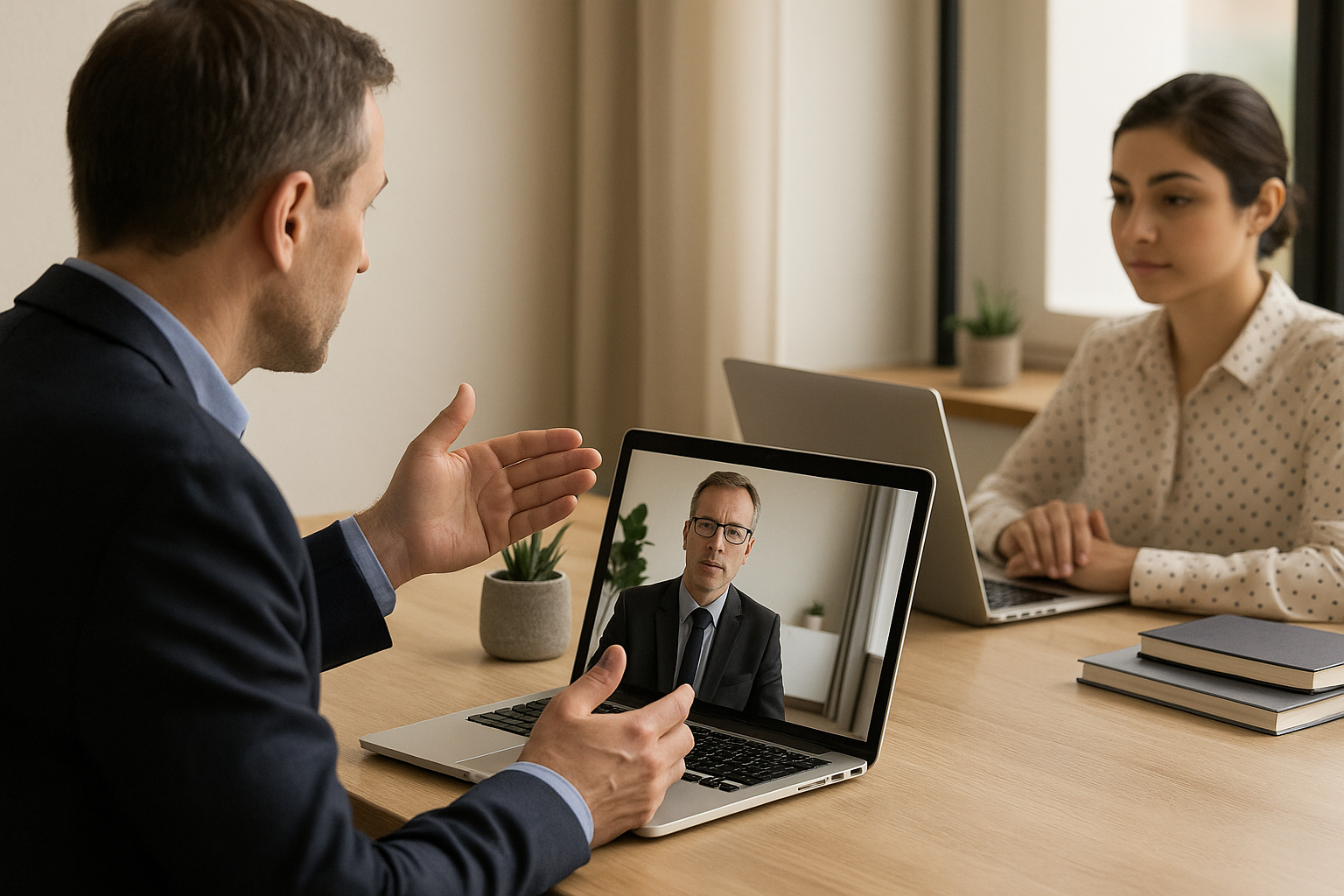
In recent years, mediation has evolved beyond the traditional face-to-face format. With advances in digital communication and video conferencing, online mediation has become not only viable but, in many cases, the preferred choice. While some people still value in-person meetings, online mediation offers important advantages that make it an effective and accessible option for resolving disputes.
Accessibility and Convenience
One of the strongest benefits of online mediation is accessibility. People who live in regional or remote areas, or who face mobility issues, can now take part in mediation without needing to travel. Participants can join sessions from their home, office, or any location with a secure internet connection.
This flexibility saves time and money, particularly for those juggling work or family commitments. Many participants also find that engaging from a familiar environment helps reduce stress, making it easier to communicate clearly and thoughtfully.
Safety and Emotional Comfort
Online mediation can provide a sense of emotional safety that is sometimes harder to achieve in person. In family disputes or highly emotional matters, the physical distance between participants helps create a calmer space for discussion. People often feel more comfortable expressing their views when they are not sitting across from the other party.
In situations involving family violence or significant power imbalances, online mediation can also enhance safety. Mediators can use separate virtual rooms, giving each participant space to speak privately and ensuring that the process remains balanced and respectful.
Efficiency and Cost-Effectiveness
Because it removes the need for travel and venue bookings, online mediation is usually quicker and less expensive. Sessions can be scheduled more easily, which helps parties resolve their issues sooner and get on with their lives. The reduced costs make mediation more affordable and improve access to justice for people who might otherwise be excluded.
Environmental and Practical Benefits
Conducting mediation online reduces the environmental impact of travel and paper use. Digital platforms allow for secure sharing of documents, screen sharing, and real-time editing of agreements. This creates a more efficient process and ensures that both parties have immediate access to the same information.
Maintaining Connection and Professional Standards
Some people worry that online mediation lacks the personal touch of in-person meetings. In practice, experienced mediators are skilled at building rapport and maintaining engagement through video platforms. High-quality audio and visual communication ensure that the professionalism and neutrality of the process are preserved.
Conclusion
Online mediation is not intended to replace traditional mediation but to complement it. It provides flexibility, safety, and access for people who might otherwise find it difficult to participate. For many, it removes barriers and makes resolution possible when face-to-face meetings are not practical or comfortable.
As technology continues to improve, online mediation will remain a valuable tool in the future of dispute resolution. It allows people to engage safely, efficiently, and respectfully, supporting fair and lasting outcomes for all involved.